It is hope which drives motivation and the first step which ignites consistency!
When it comes to peace we all have our own definitions of it with different perspectives and concepts. However, for this blog I don’t want to make it anymore complicated for you nor for myself what matters is that peace comes from within!
A glimpse of what you’ll read in this blog
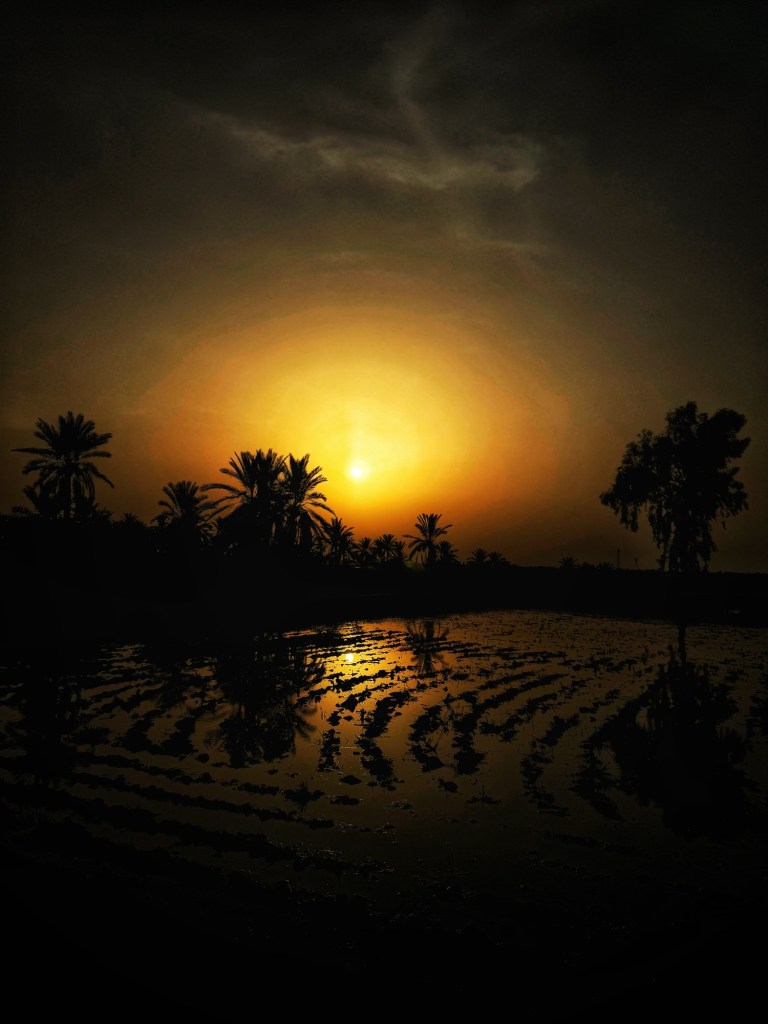
Since hope is green and the progress is yellow, these two colors are intertwined with each other in two phases of rice paddies, the plantation phase & shifting to main field phase. Each phase is done manually with finesse, precision and by hands under the scorching heat of sun after getting the lands leveled and ploughing them for better seed plantation!
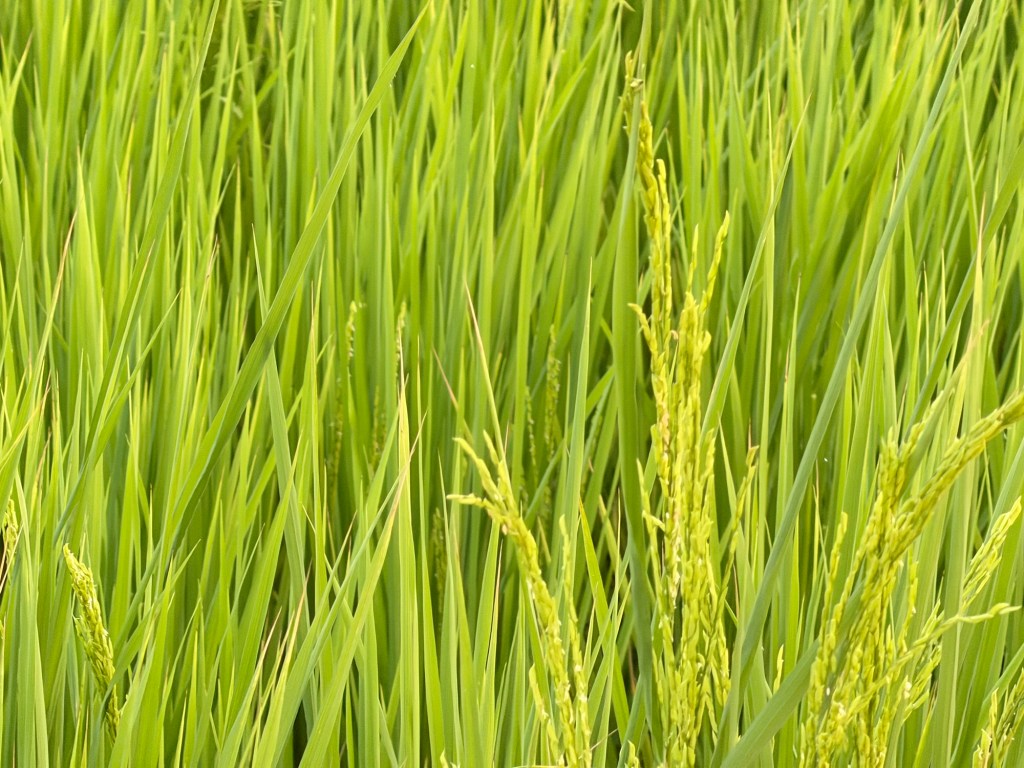
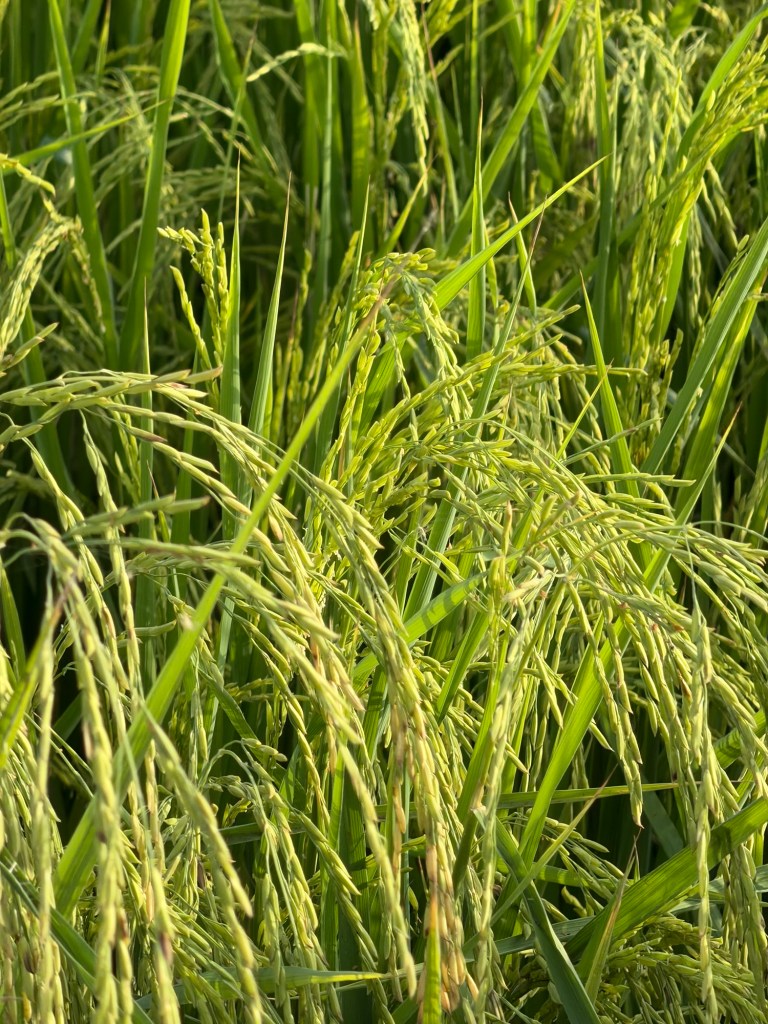
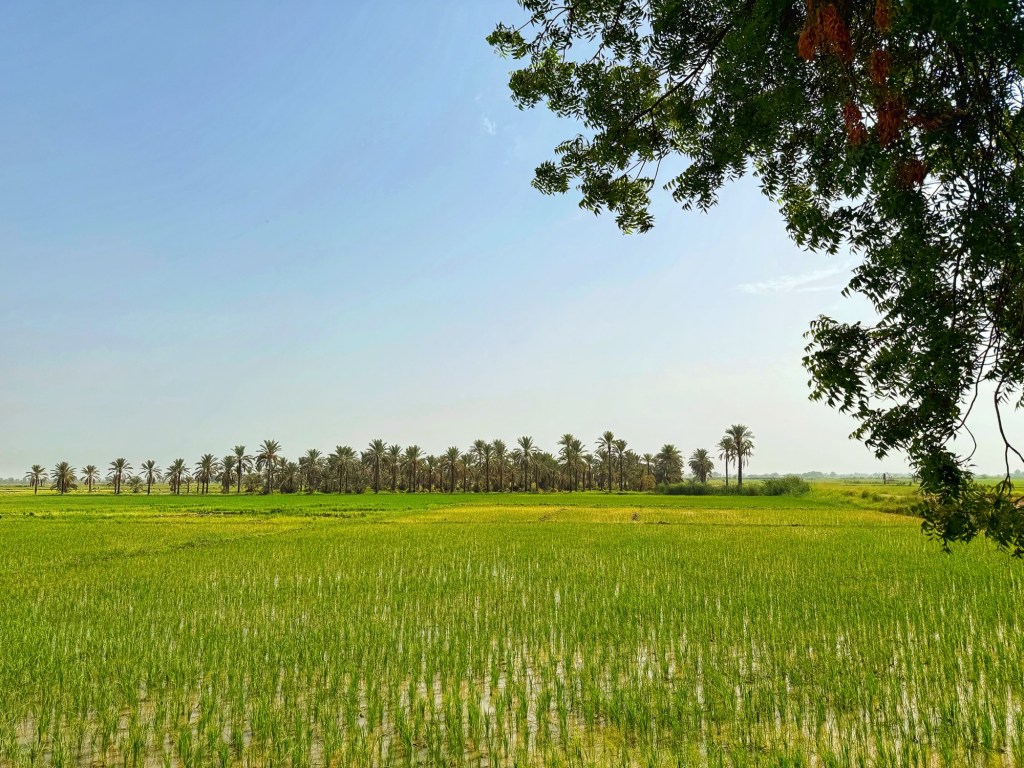
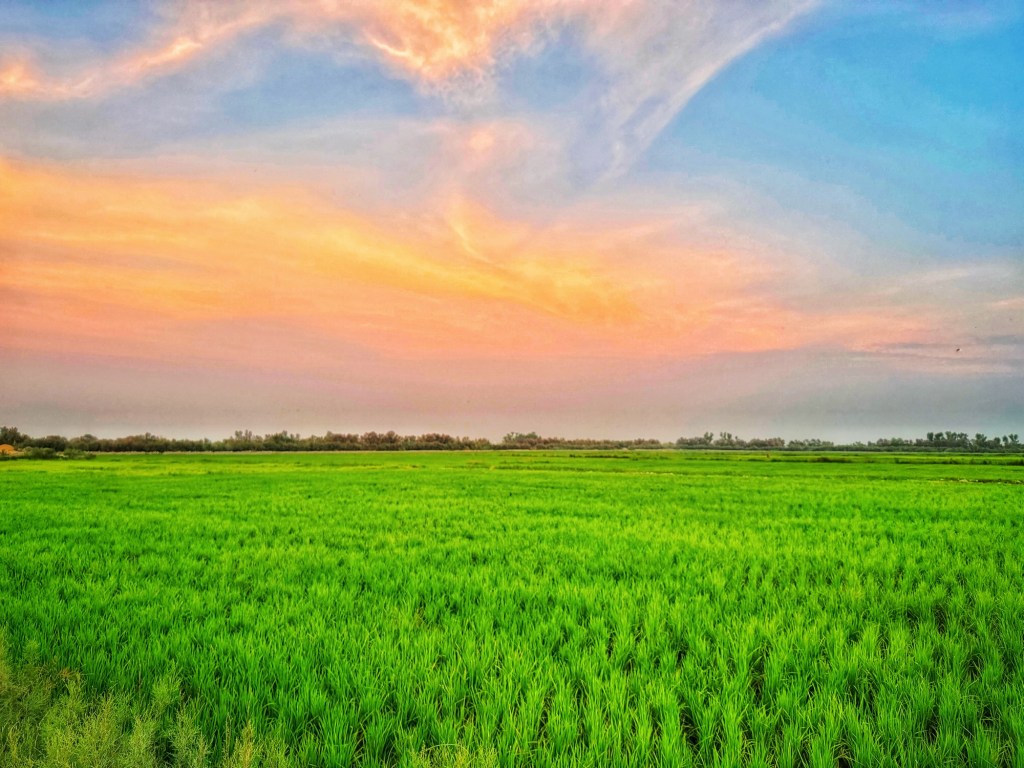
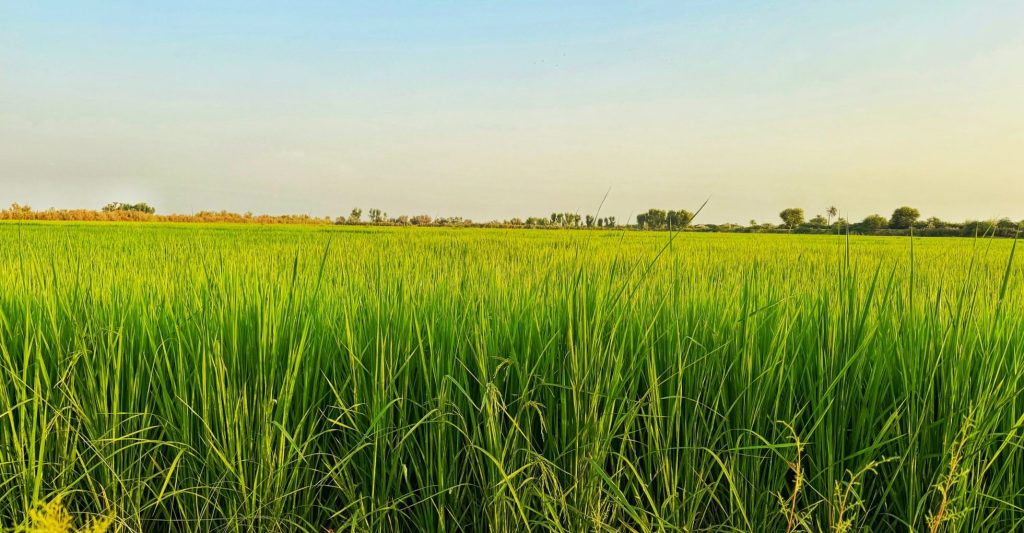
During the khareef season (rice season), two clusters are made for managing and growing the rice crops. First, you make the nurseries for the seeds and secondly, you make the main fields where you shift the crops from the nurseries when they reach the adult stage. It’s done simultaneously & in most cases some build main fields later as well depending upon their situation and conditions. It depends on how your strategy is made. However, in this case the main fields and nurseries were made simultaneously.
1-The Plantation Phase: The Making Of Nurseries
When the “khareef season” (rice crops’s season) begins, during April till June sowing of rice crops’s begins. That’s when the nurseries are made to plant the seeds of the crops.
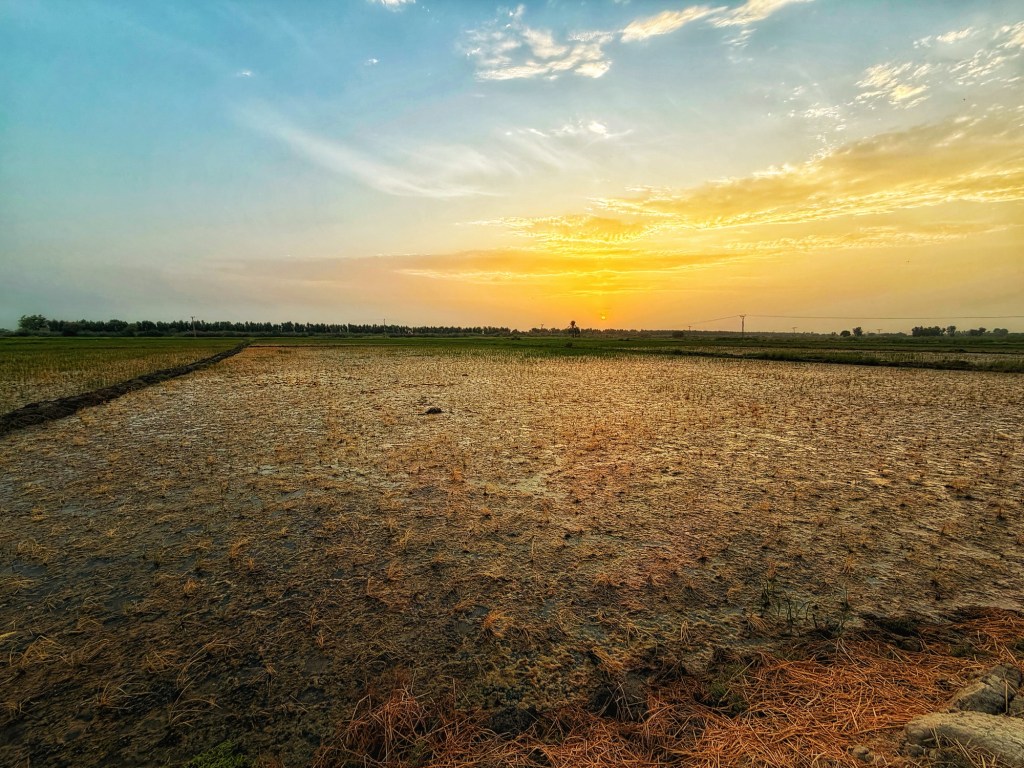
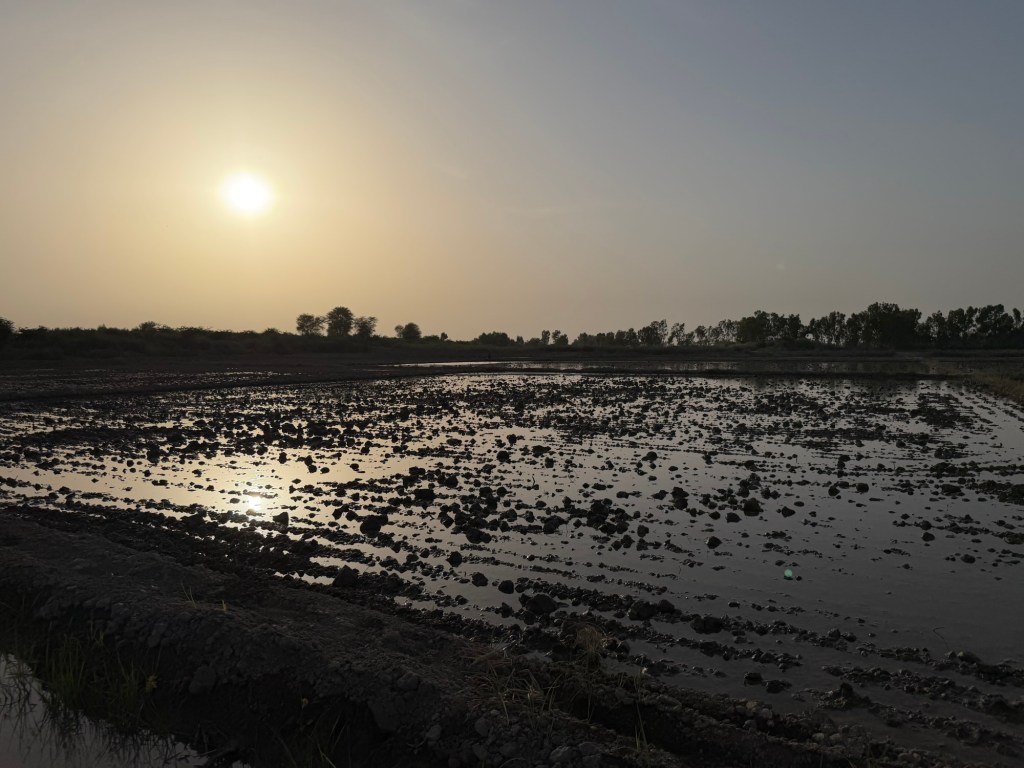
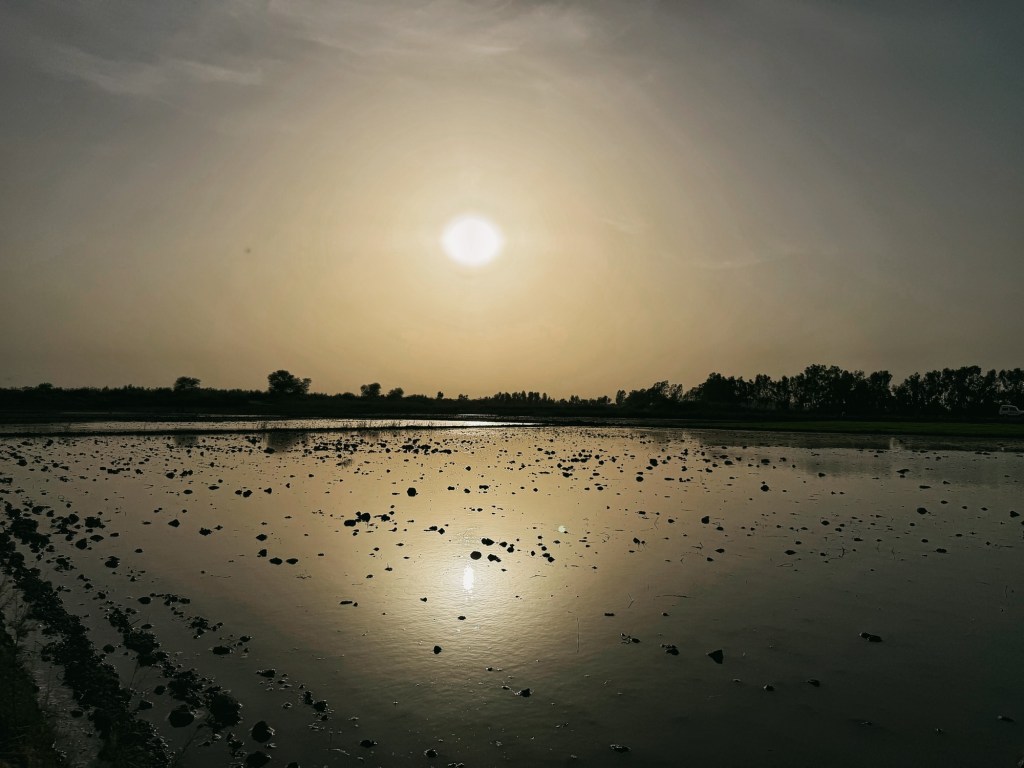
2-The Main Field Preparation
Now comes the second cluster, the main field preparation. In this cluster the fields are dug deeper compared to the nurseries, & water is filled in deeper according to the matured crops of the nurseries. The strengthening of borders is done again for the sake of surety and then crops from the nurseries are shifted into them once they reach their maturity after 25 to 30 days.

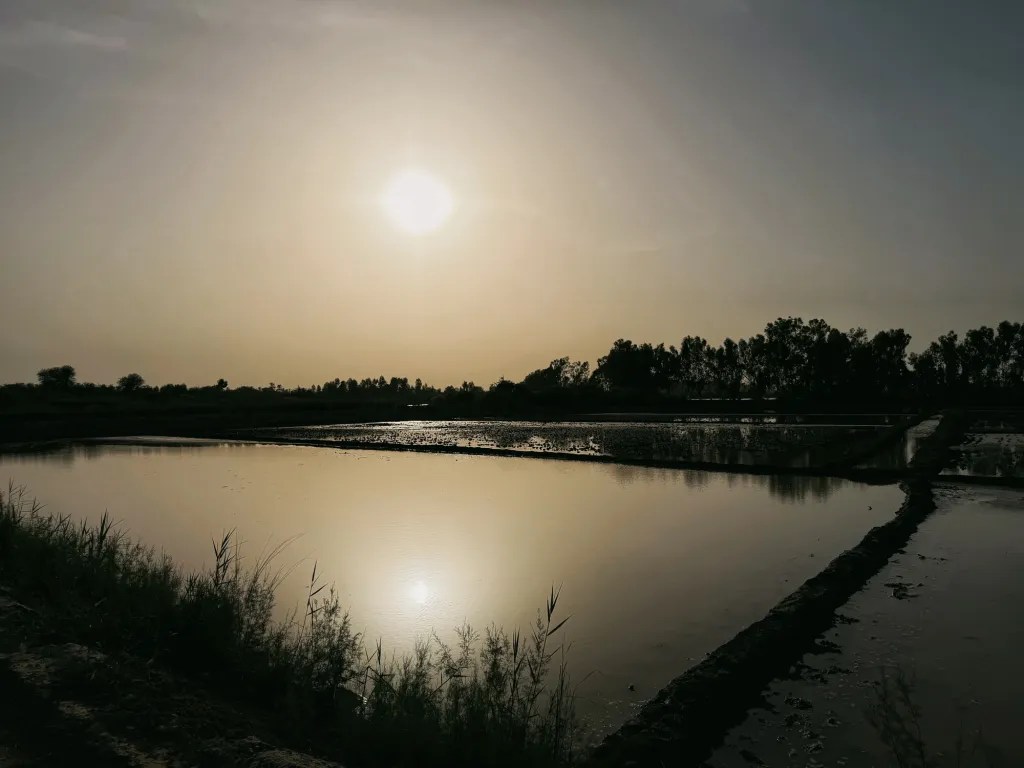
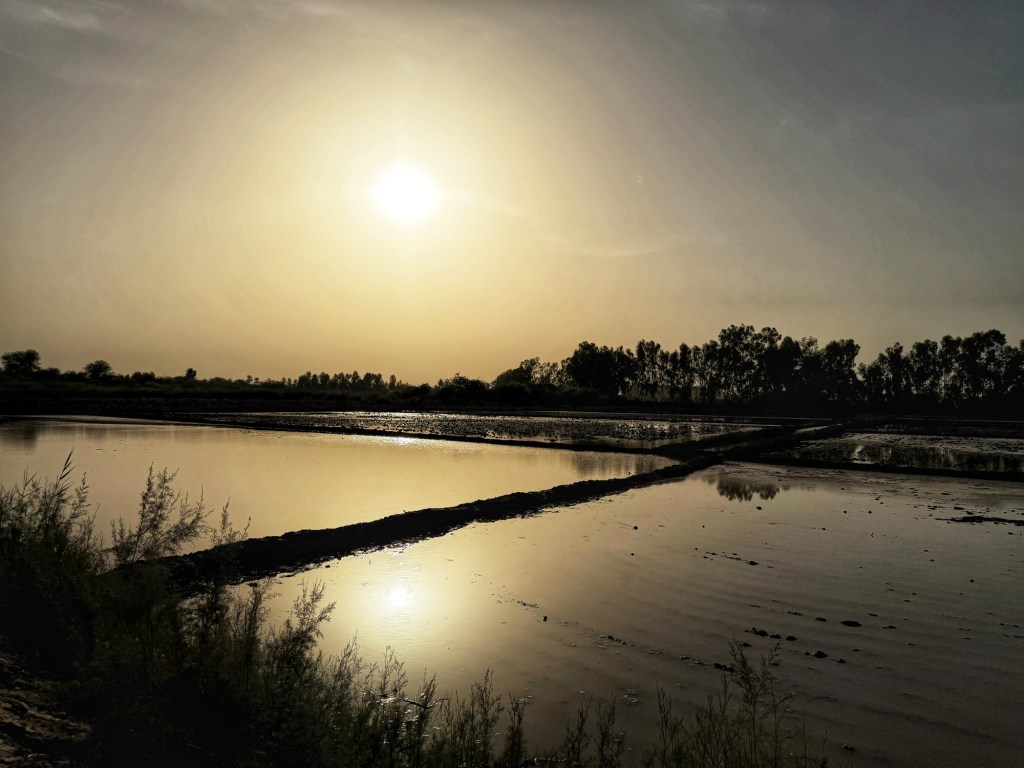
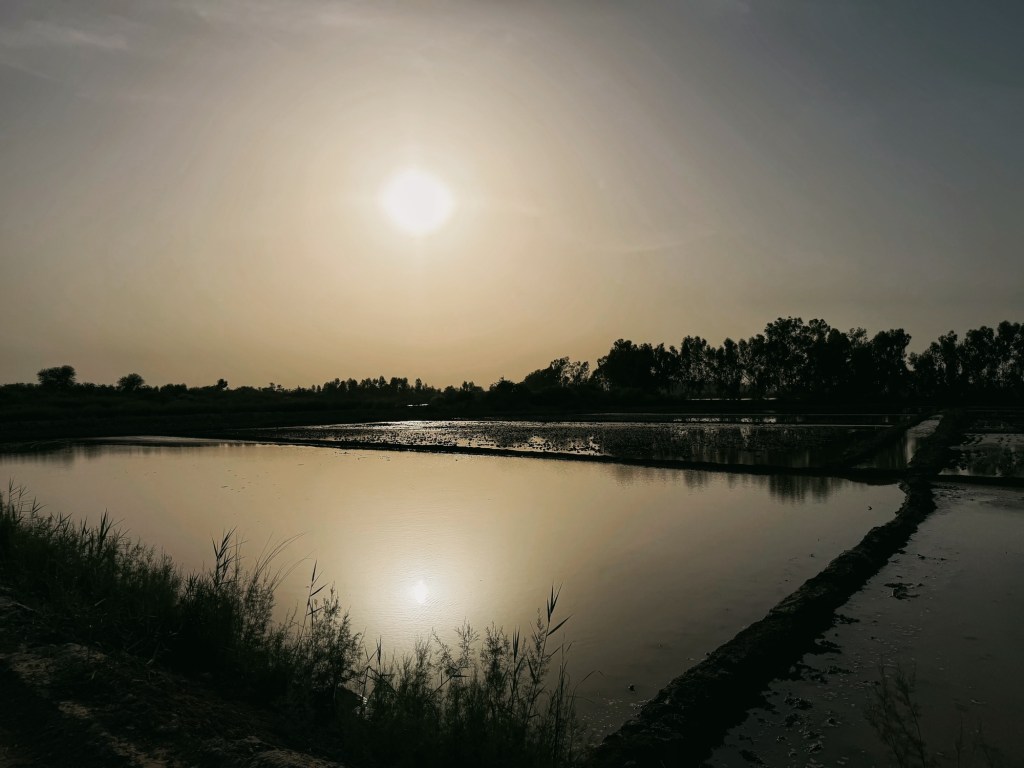
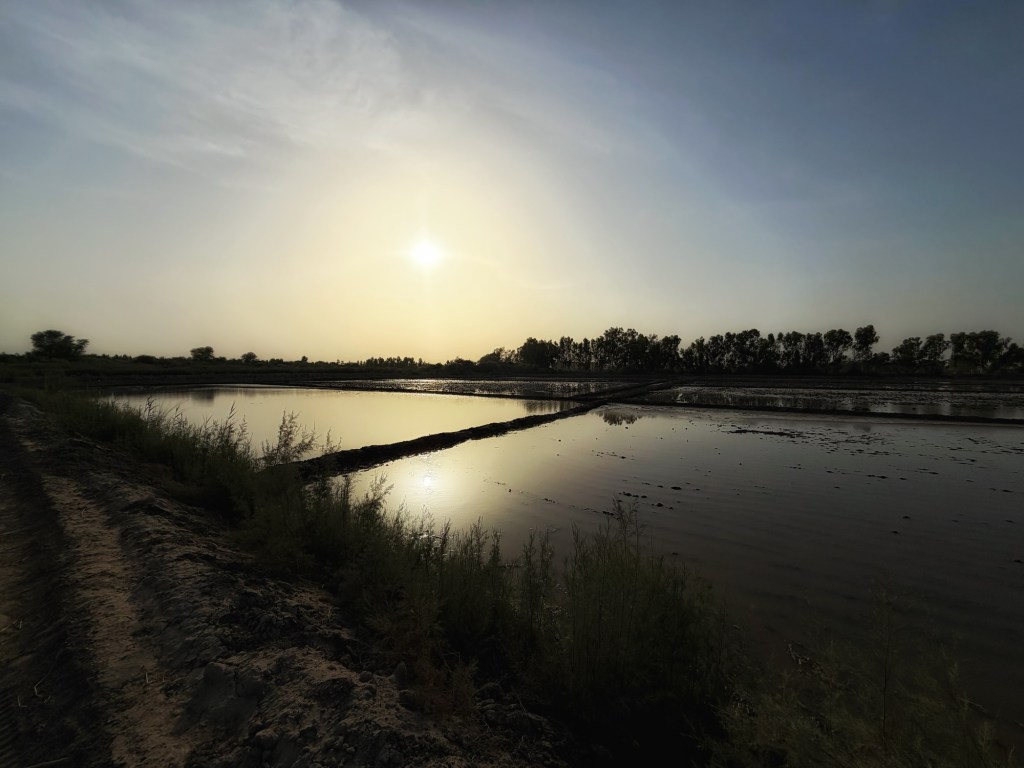
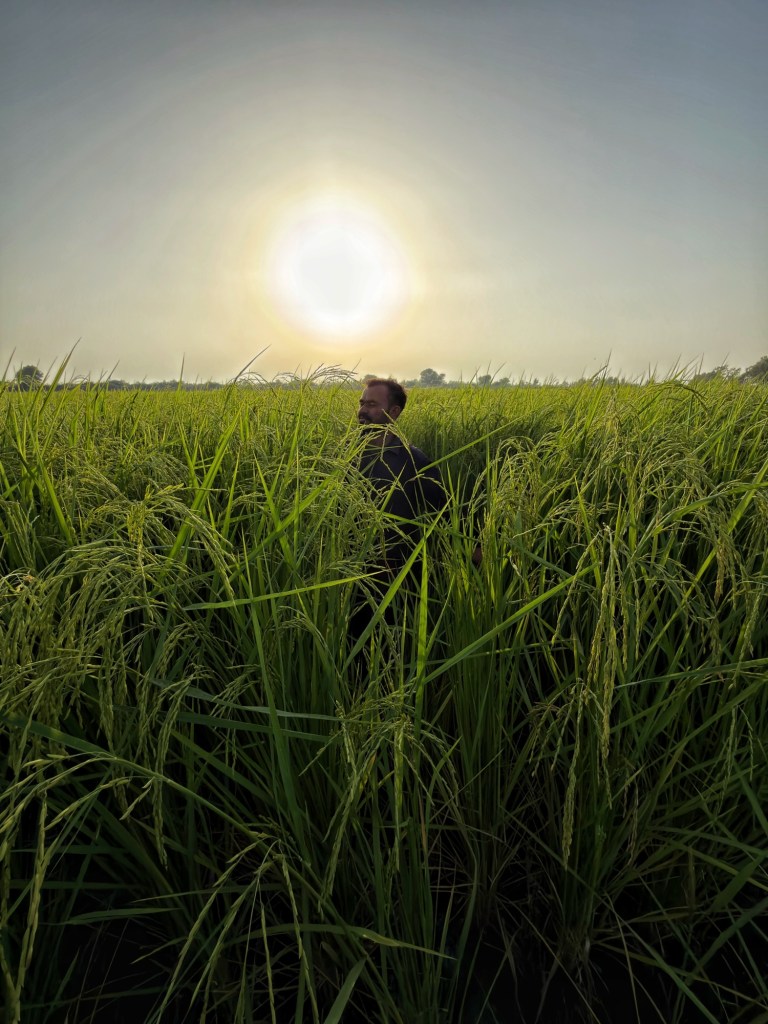
“Silhouettes don’t need darkness, what it needs is silence and focus!” Said by my heart within my thoughts!
The nurseries are bearing the rice crops, what to do next?
After long period of wait, patience and water management for 25 to 30 days, the seedlings from the rice nurseries are then shifted to the main field. The main field is where the rice crops grow further to bare its fruits (By fruits, the rice itself, which is one of the rich sources of carbohydrates! the term fruit here is used as a biblical refrence).
Nursery’s Inspection & Maintenance
During rice crops’s management cycle such issues remain common. To handle its problems, what one needs is pro active approach with preventive measures. To halt the growth of such problems, many farmers and landowners prefer to get their lands sprayed with herbicides in advance to stop the occurrence of barnyard grass (ghorha ghaas) & leptochloa (also known as narhi).
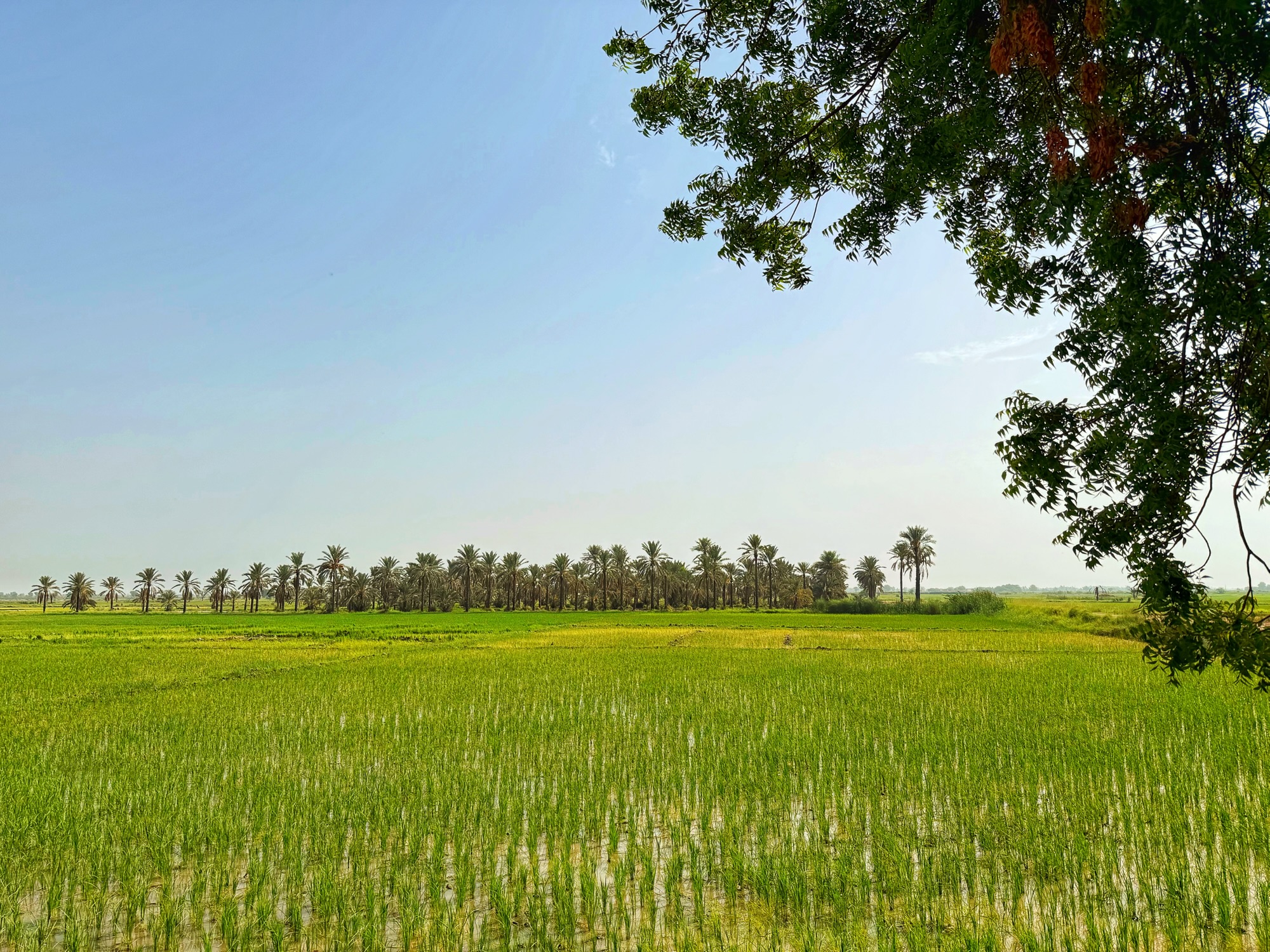
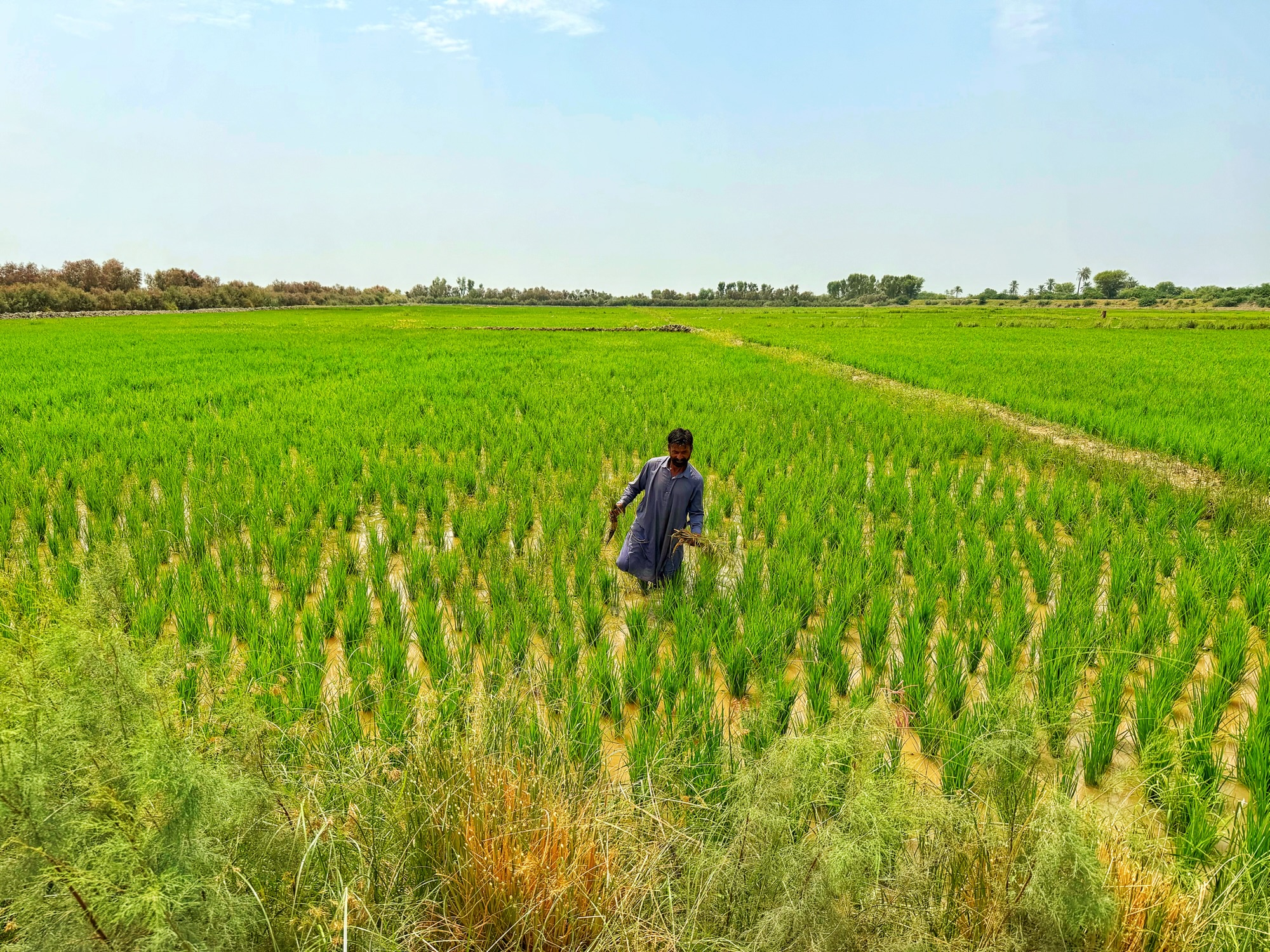
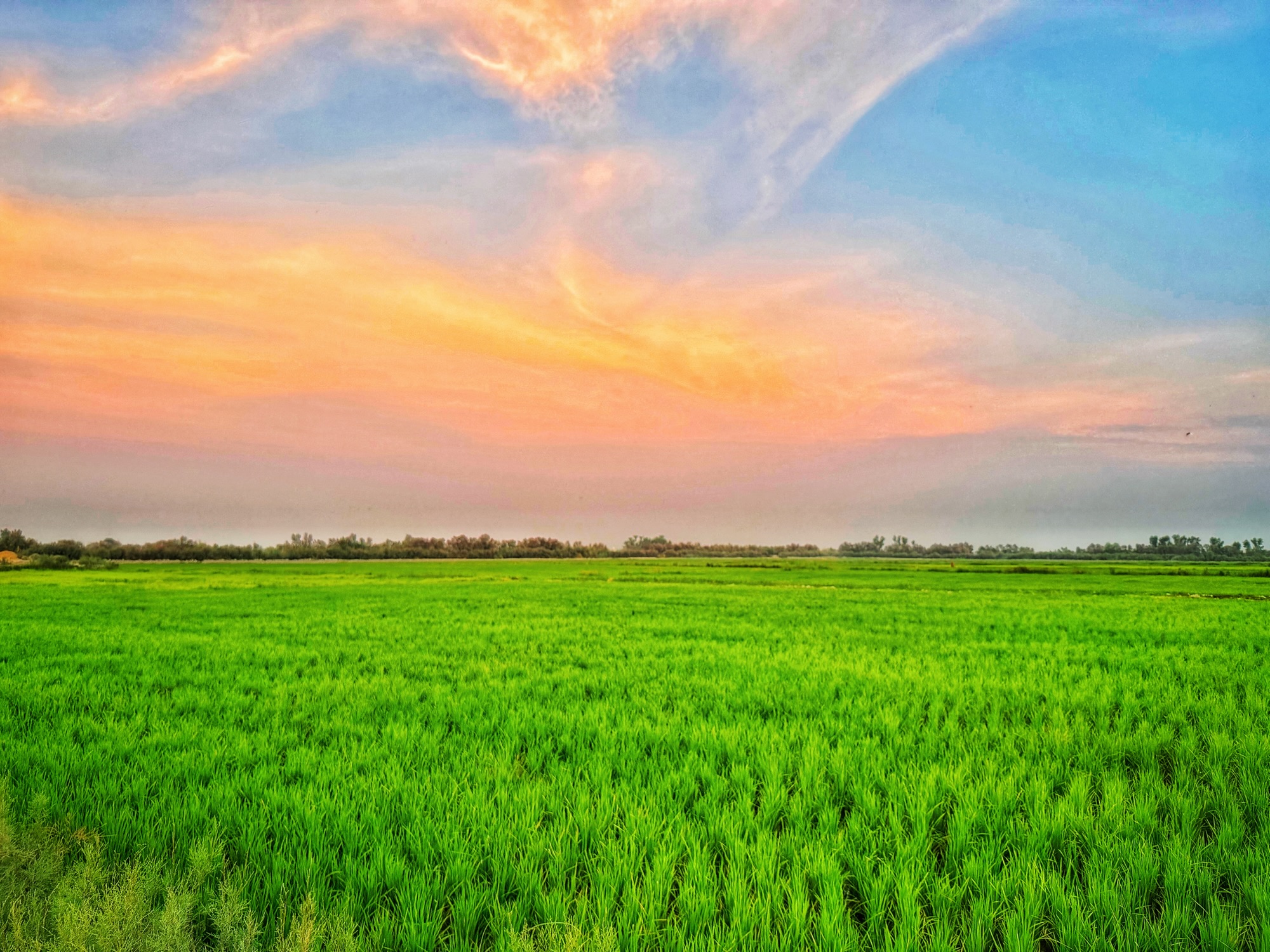
The video below shows how the rice fields are managed, click the link below to see how it’s done!
Nai Umeed: A Seri Crops Management Documentary Film
Soon we’ll discuss this topic in depth, till we meet again!
Our next blog will show how the crops become rice!